The idea that there is a singular cause for crossdressing is debunked in this comprehensive exploration, which highlights the vast array of motivations behind this practice. The author contends that attempting to pinpoint a single cause oversimplifies the intricate and diverse reasons individuals engage in crossdressing. Instead, the article outlines a multitude of motivations, each unique to the individual, and categorizes them as follows:
1. Erotic Pleasure (Transvestic Fetishism):
- Some individuals derive pleasure either from the clothes themselves or the act of wearing them in an erotic context.
2. Entertainment:
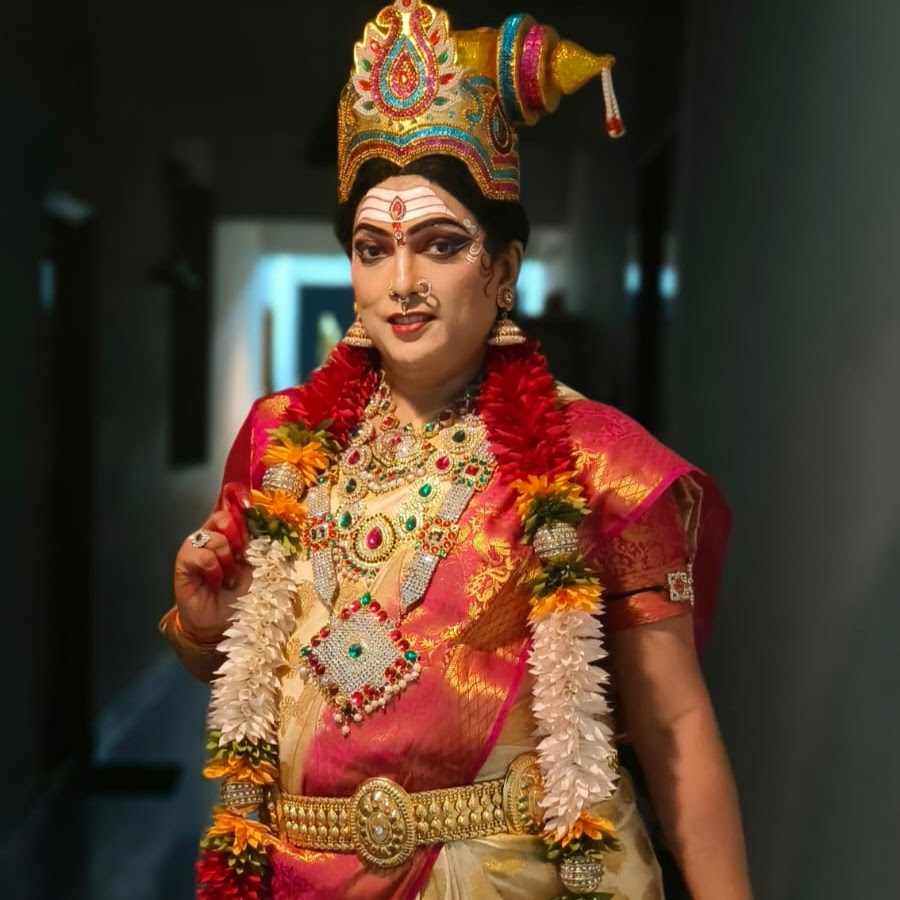
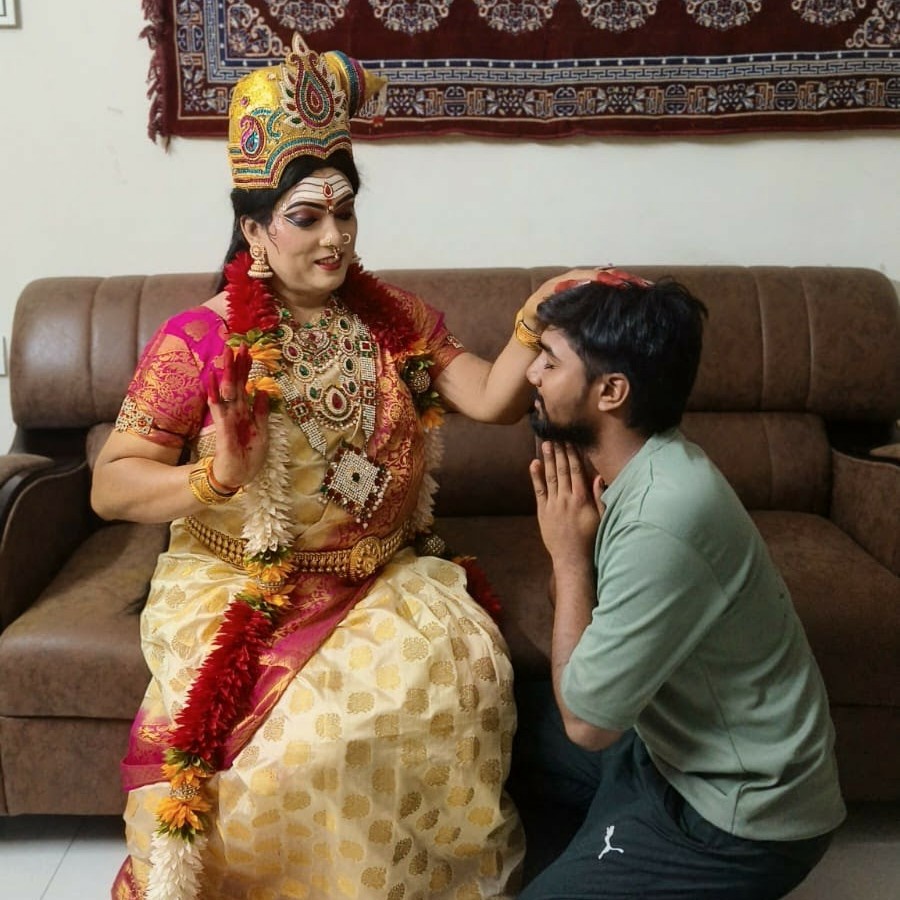
- This category includes individuals in the entertainment industry, such as drag queens, movie/theatre actors, and opera singers, who use crossdressing as a form of artistic expression.
3. Political Activism:
- Some engage in crossdressing as a way to challenge societal norms and underscore the arbitrary nature of gendered clothing, expressing a form of political activism.
4. Tribute to Women:
- For some, crossdressing serves as a tribute to women in general, a way of celebrating and embracing femininity.
5. Stress Relief:
- Surprisingly, crossdressing is cited as a means of stress relief, allowing individuals to temporarily escape societal expectations tied to their gender.
6. Getting in Touch with One's Inner Femaleness:
- Some individuals may not identify as transgender but use crossdressing as a way to connect with their inner femininity, akin to the concept of 'two-spirit' people.
7. Sheer Fun:
- The article acknowledges that for some, crossdressing is purely for enjoyment, devoid of deeper meanings or motivations.
8. Attraction Dynamics:
- Certain homosexual males might crossdress to attract non-homosexual males for sexual and romantic encounters, a dynamic that adds complexity to the understanding of sexual orientation.
9. Temporary Measure for Transsexuals:
- Some transsexuals may crossdress temporarily until legally changing their gender identity, emphasizing that once they transition, they are no longer crossdressing but merely dressing according to their new legal gender.
The author emphasizes that the motivations behind crossdressing are diverse and individualized, challenging the notion that a single term can encapsulate such a wide range of experiences. The article concludes by highlighting that individuals within these categories may or may not identify as "crossdressers" based on their own self-perceptions and motivations. The complexity of these motivations, coupled with the subjective nature of self-identification, underscores the futility of seeking a singular cause for crossdressing.