
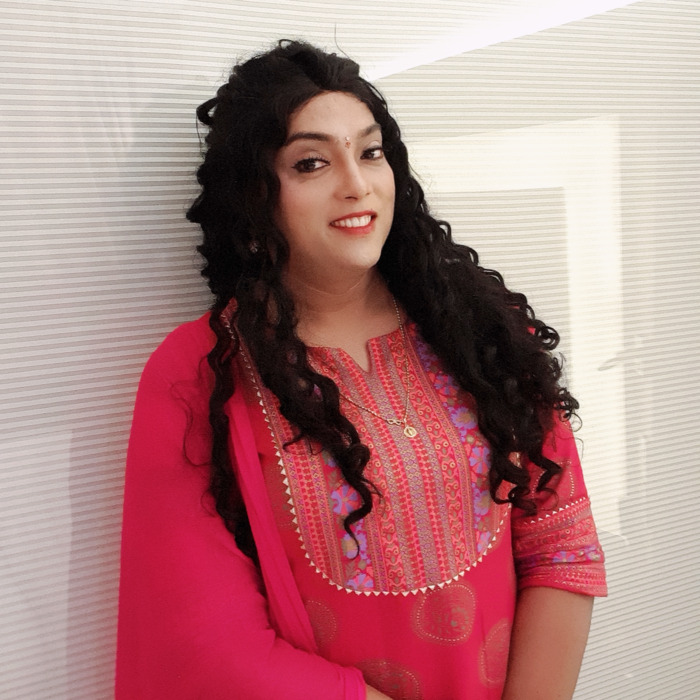
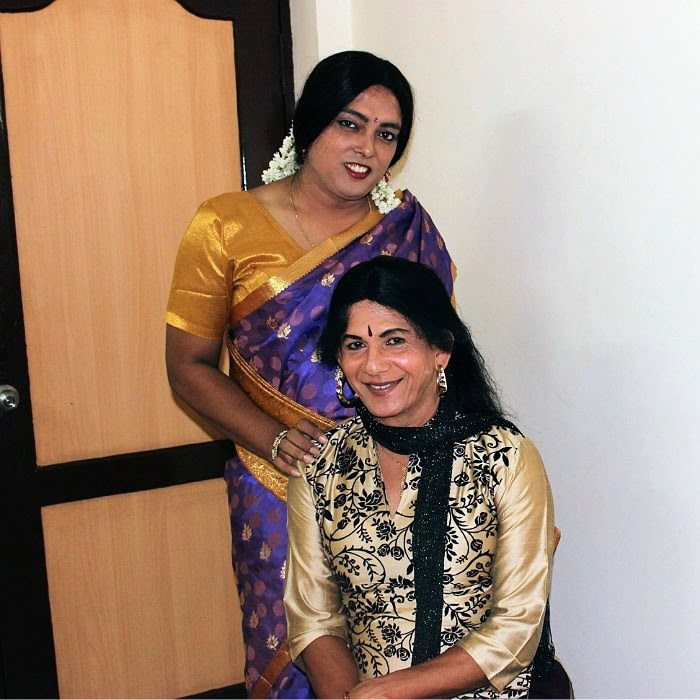
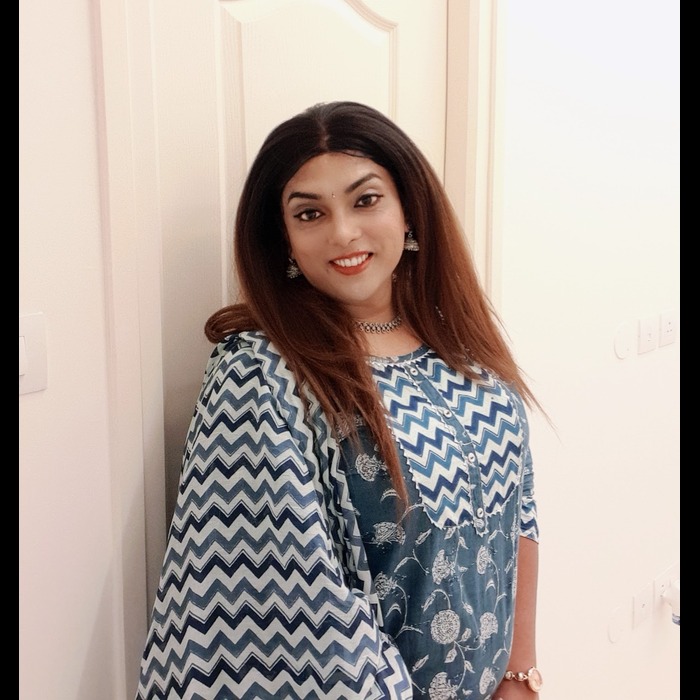
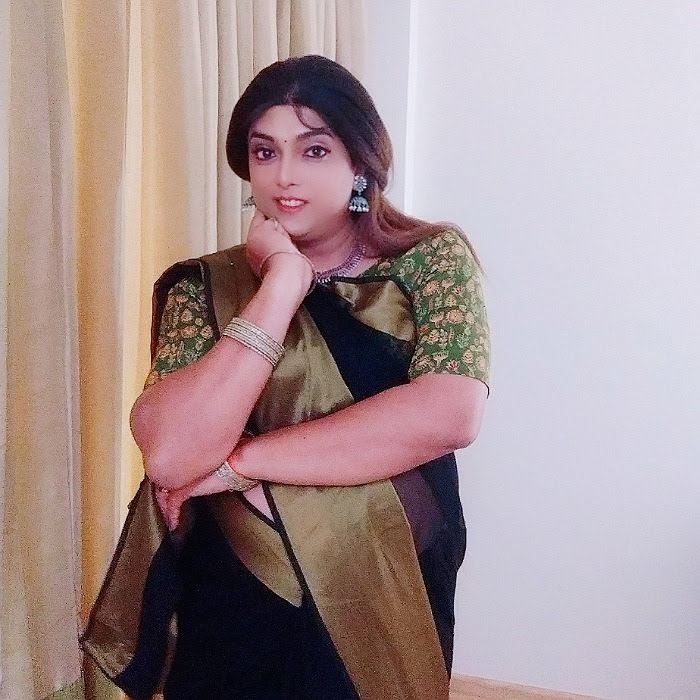
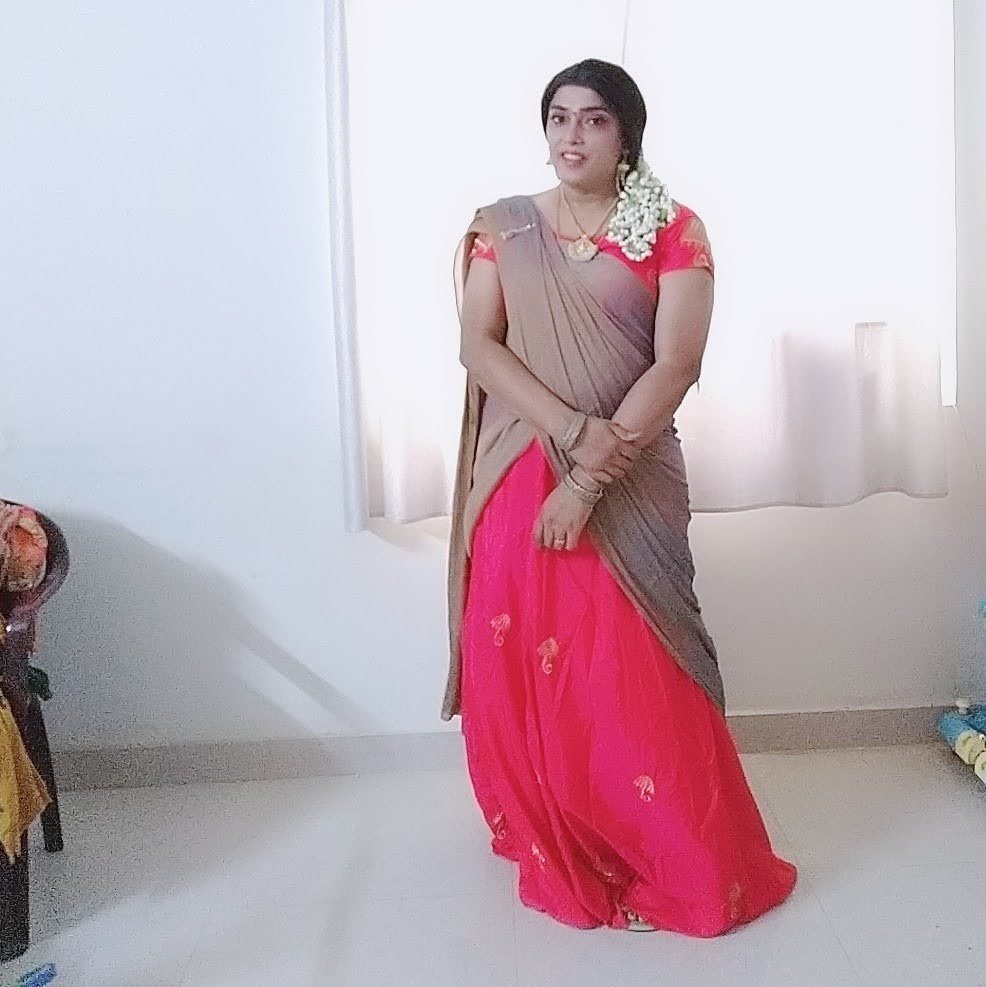
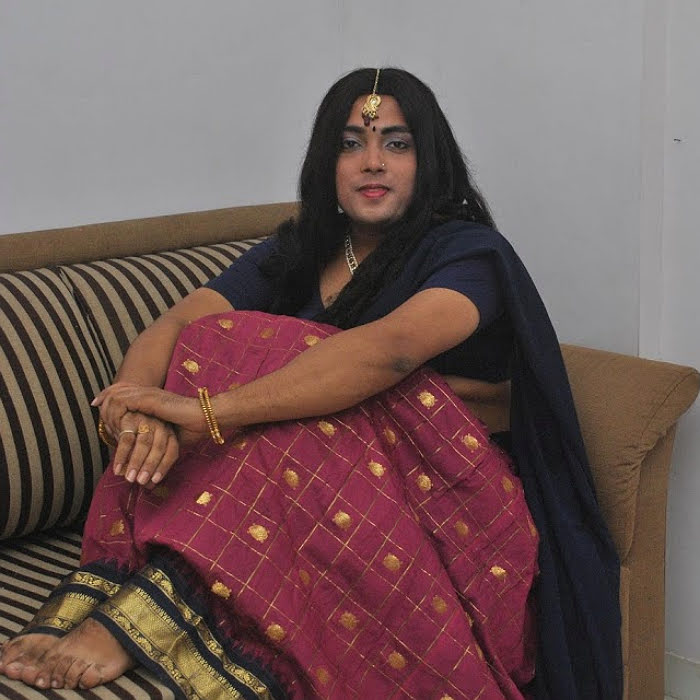
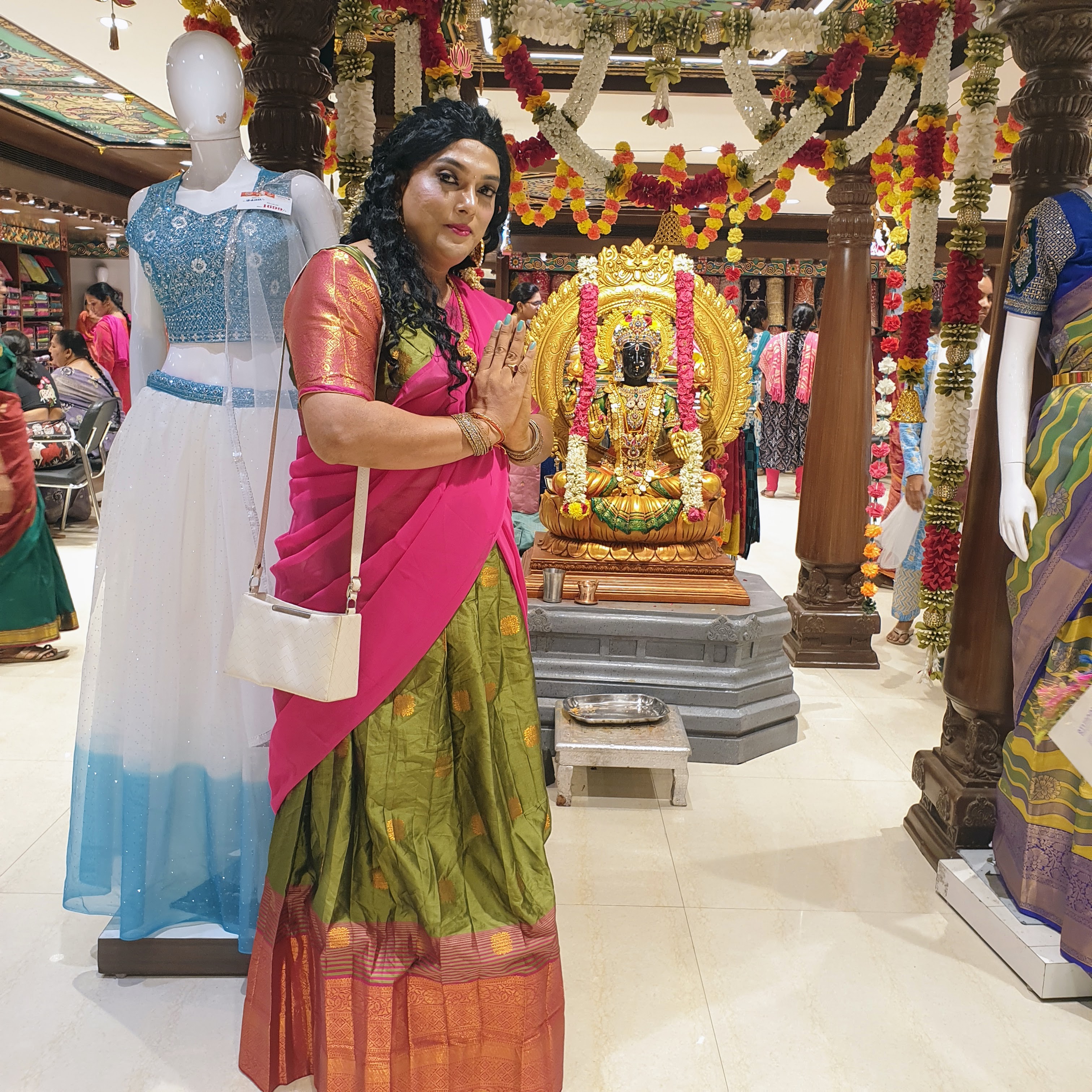
Crossdressing, the act of wearing clothing typically associated with a different gender, has long been a misunderstood form of self-expression. While often reduced to stereotypes or misconstrued as a purely sexual activity, crossdressing is actually a powerful artistic practice. It allows individuals to explore and express their identity in creative, liberating ways, far beyond the constraints of traditional gender roles.
The Art Behind Crossdressing
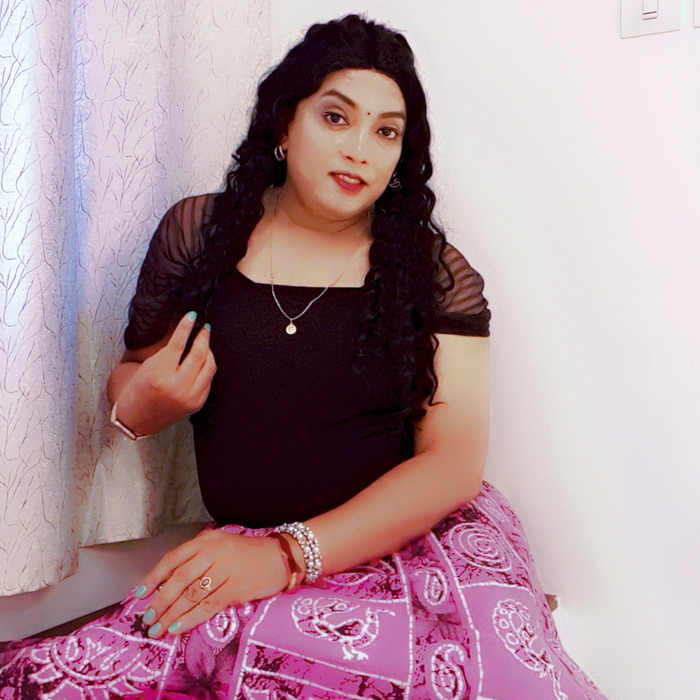
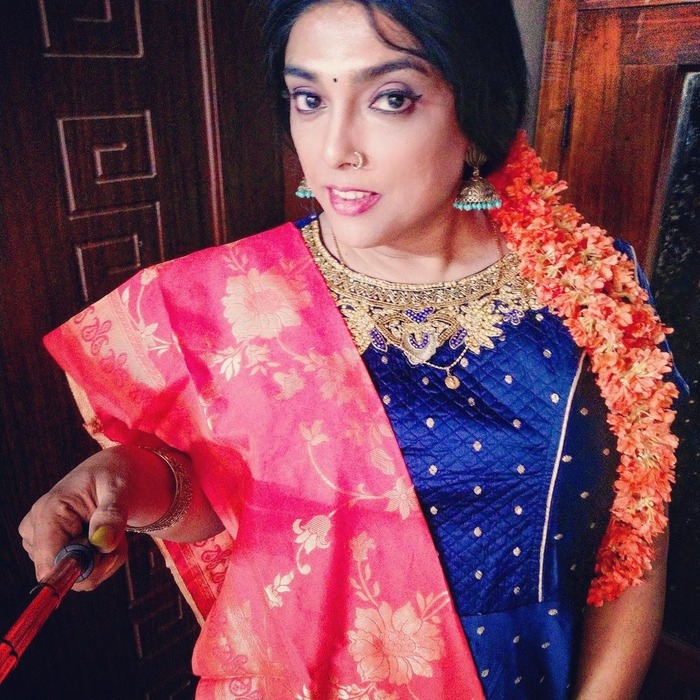
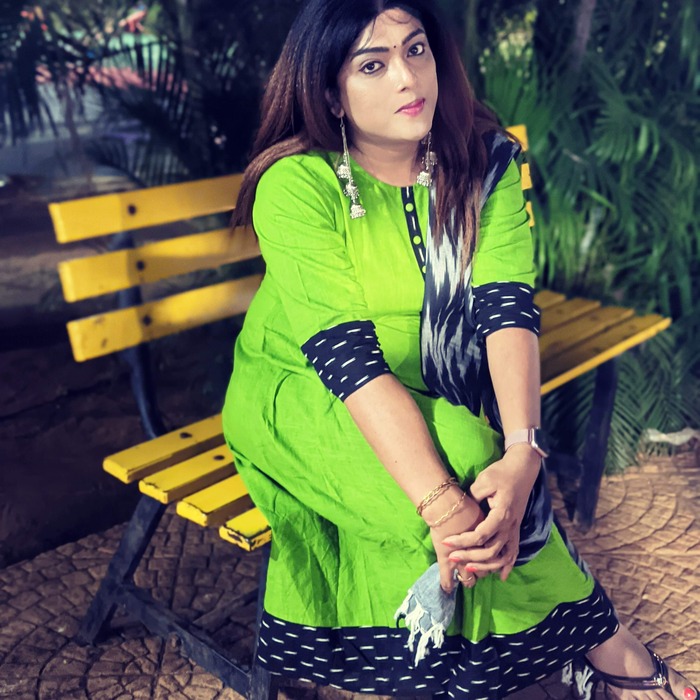
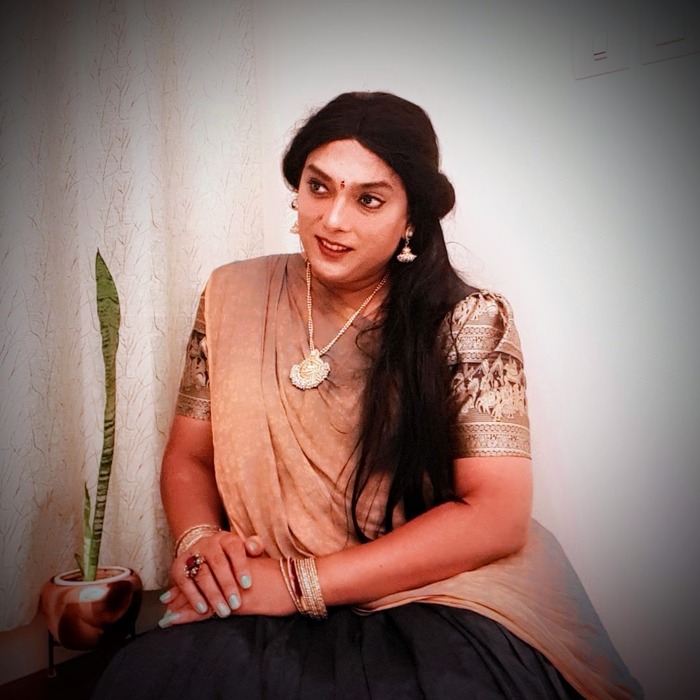
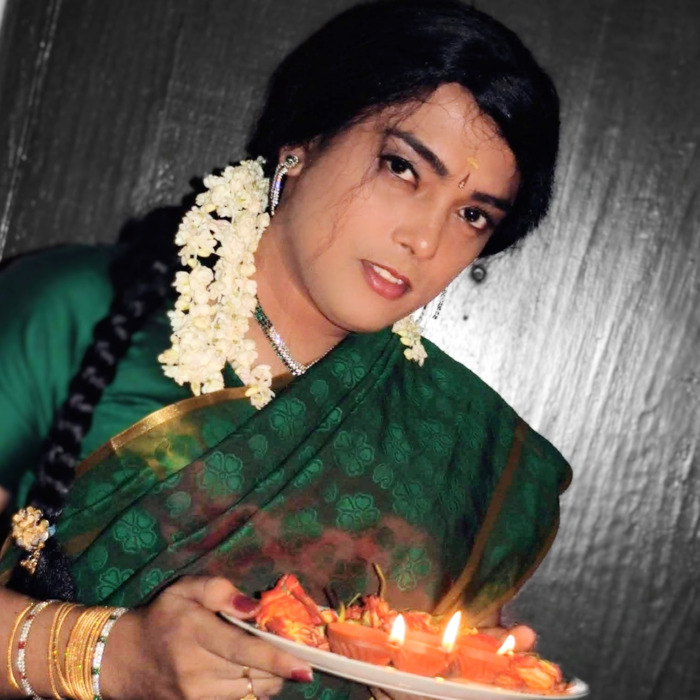
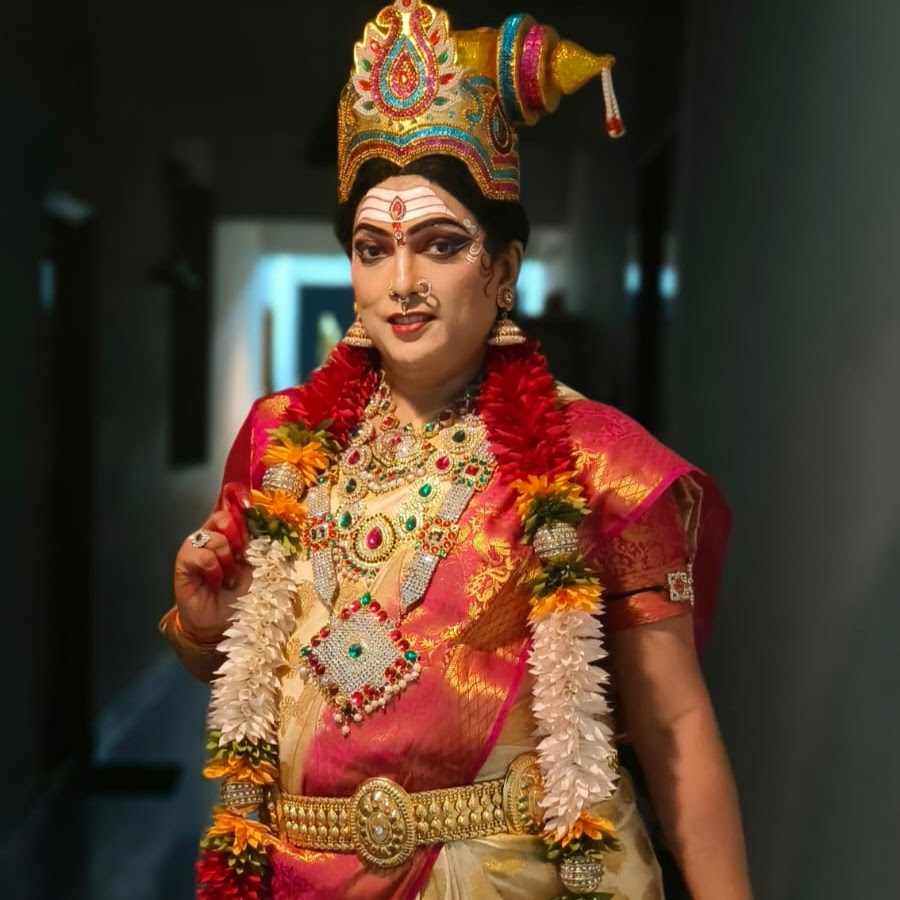
Crossdressing goes beyond the simple act of wearing clothes meant for the opposite gender; it is an intricate art form. Each piece of clothing, each accessory, and each detail of makeup plays a part in crafting a unique persona. For many, this transformation becomes a form of personal expression, allowing them to explore different facets of their identity. Much like a painter chooses specific colors to evoke emotion, a crossdresser selects outfits and styles to convey aspects of themselves that may remain hidden in everyday life.
It’s important to distinguish that crossdressing isn’t necessarily tied to sexuality. For some, it may play a role in sexual identity, but for many, it’s a form of self-expression independent of sexual desire. This distinction is crucial, as it helps dispel common misconceptions about crossdressing and shows that, at its core, it’s a creative act.
Crossdressing can be seen as a form of performance art, where the body becomes the canvas. This is evident in many cultures and subcultures throughout history, such as kabuki theater in Japan, where male actors traditionally performed female roles, or the drag culture of the 20th century that continues to thrive today. Through makeup, clothing, and performance, these artists challenge traditional notions of gender and use crossdressing to tell powerful stories.
Challenging Gender Norms Through Fashion
One of the most significant contributions of crossdressing is its role in challenging society’s rigid gender norms. Crossdressing blurs the lines between masculinity and femininity, reminding us that gender is not fixed but fluid. Fashion, in particular, has long been a battlefield where these norms are tested and redefined. Historically, fashion has been gendered, with distinct rules about what men and women could wear. However, crossdressing has pushed back against these rules, giving rise to androgynous and gender-neutral styles in the fashion industry.
However, the online world brings challenges as well. Social media’s focus on visual perfection can create unrealistic expectations, making some feel pressured to conform to certain beauty standards.
Notable designers and fashion houses have embraced this movement. Brands such as Gucci, Louis Vuitton, and Palomo Spain have featured androgynous or gender-fluid designs on their runways, breaking the boundaries of what is traditionally deemed "male" or "female" clothing. Celebrities like Billy Porter and Jaden Smith have also made headlines by defying conventional fashion norms on red carpets, using clothing as a form of self-expression and protest against societal expectations.
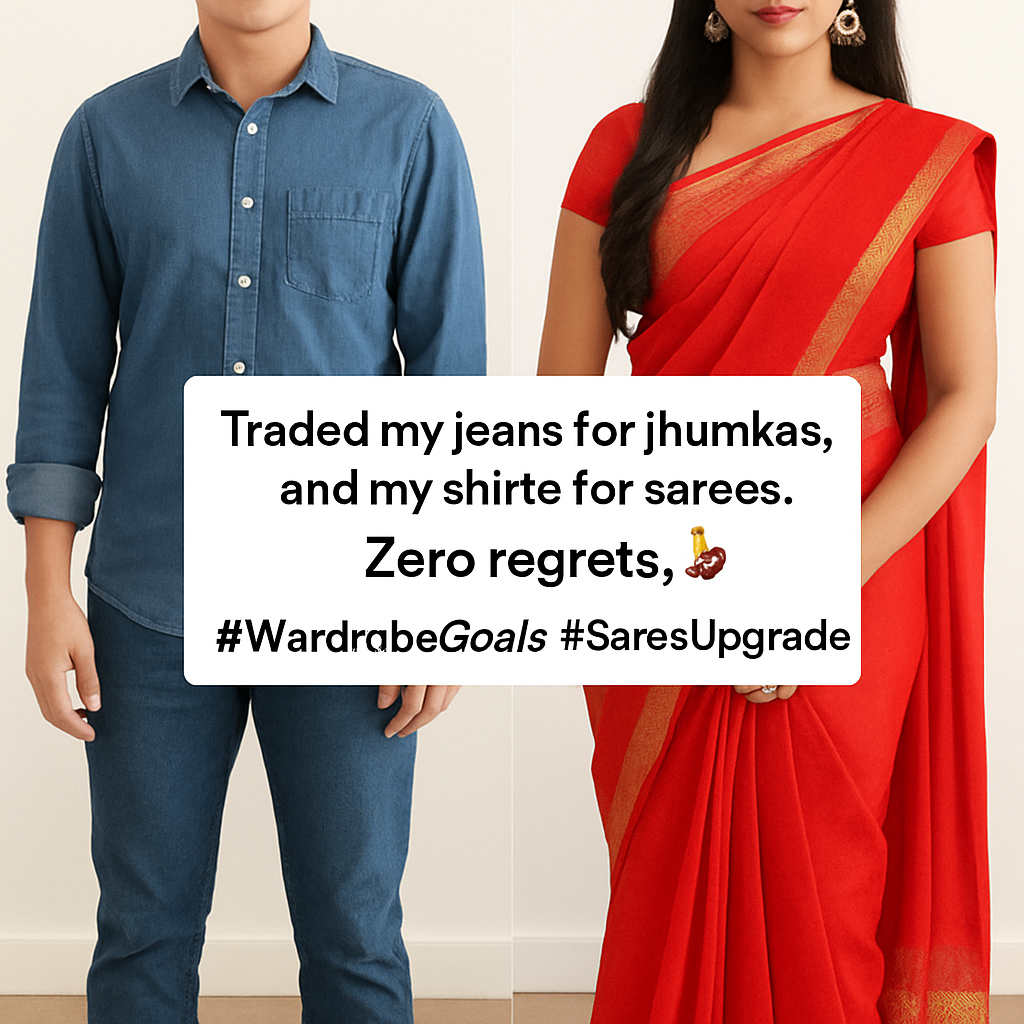
Beyond high fashion, crossdressing has made its mark in everyday wardrobes. Today, it’s increasingly common for individuals to incorporate pieces typically associated with the opposite gender into their style. Whether it’s women wearing traditionally “masculine” suits or men experimenting with makeup and skirts, crossdressing continues to expand the boundaries of fashion and gender identity.
The Importance of Community and Support
Historically, the crossdressing community has been a safe space for those exploring their gender expression. In the past, mentors and elders within the community played a vital role in guiding newcomers, offering advice on clothing, makeup, and navigating societal pressures. This sense of camaraderie helped individuals embrace their identity in a supportive and nonjudgmental environment.
In recent years, social media has revolutionized the crossdressing experience. Platforms like Instagram, Facebook, and YouTube have given individuals a chance to connect, share their journey, and receive affirmation from others who understand their experiences. This digital support system can be incredibly empowering, helping individuals overcome isolation or feelings of inadequacy.
However, the online world brings challenges as well. Social media’s focus on visual perfection can create unrealistic expectations, making some feel pressured to conform to certain beauty standards. Furthermore, inappropriate content and fetishization have also surfaced in online crossdressing communities, diluting the true essence of self-expression.
It’s essential that the crossdressing community, both online and offline, fosters respect and understanding. For crossdressing to thrive as an art form and self-exploration, a culture of acceptance and mutual support is crucial. Only by maintaining these values can individuals truly feel free to express themselves without fear of judgment or exploitation.
Crossdressing Through the Lens of History and Culture
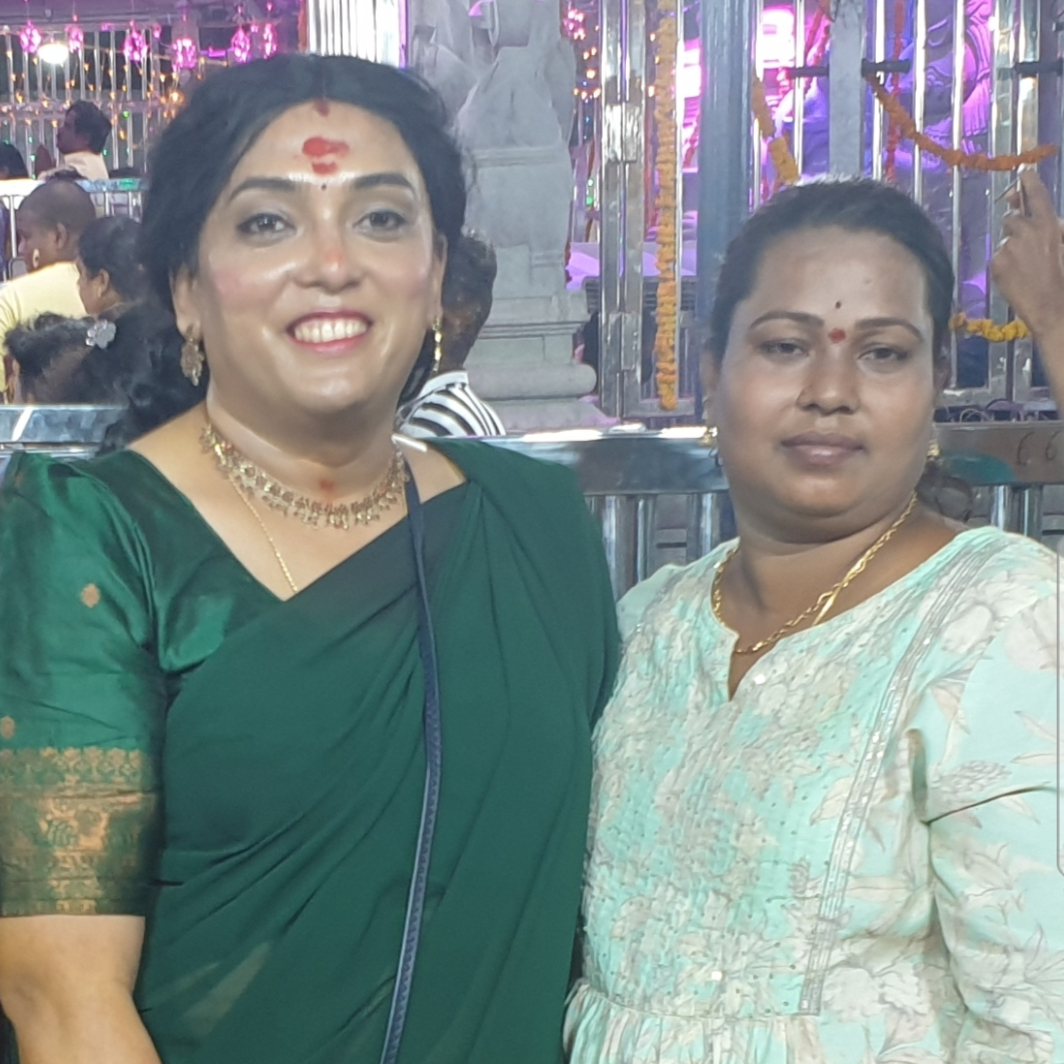
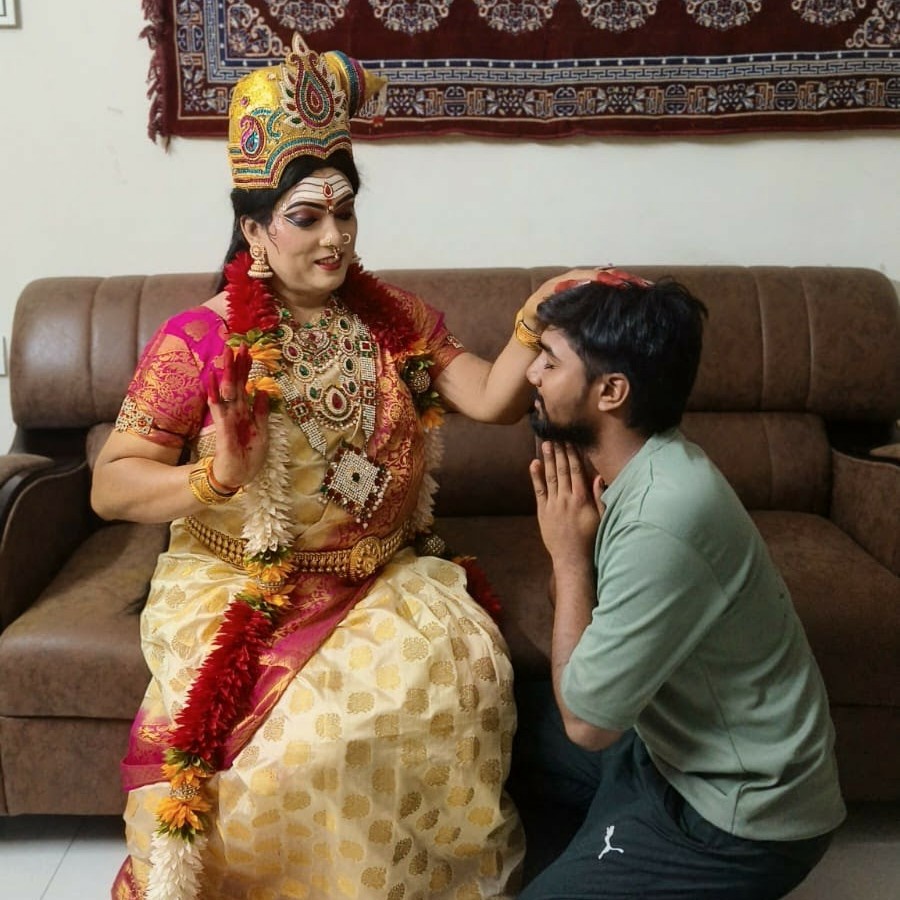
Throughout history, crossdressing has been more than just an individual pursuit; it has been an integral part of various cultures. For instance, the hijra community in India, considered one of the oldest transgender communities in the world, has a long history of crossdressing as part of their spiritual and social identity. Meanwhile, Shakespearean theater had men portraying female characters, underscoring the long-standing tradition of gender fluidity in the performing arts.
In many indigenous cultures, gender diversity was celebrated, and individuals who embodied both masculine and feminine traits were revered. This stands in contrast to Western society’s often rigid and binary view of gender. These cultural practices show that crossdressing, far from being a modern or niche phenomenon, has deep roots in human society.
Embracing Self-Expression Through Crossdressing
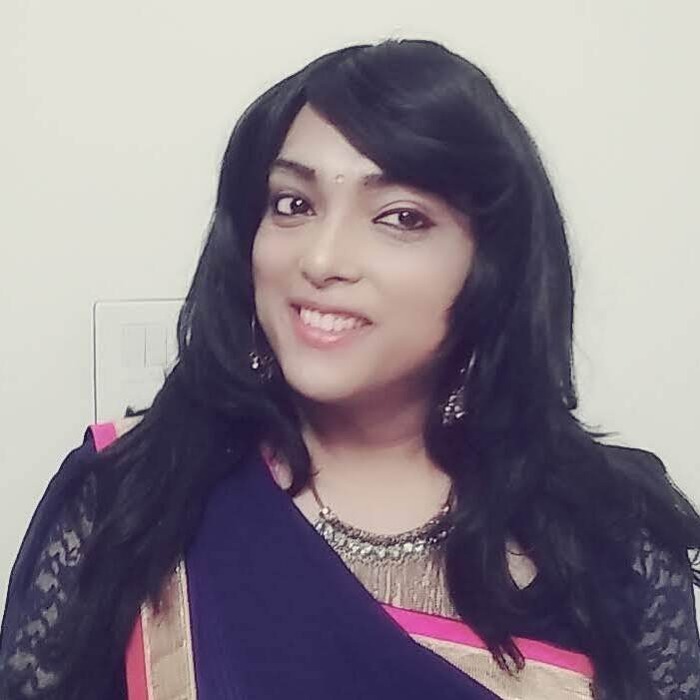
Crossdressing is not about conforming to society's limited views on gender, but about breaking free from them. It offers individuals the chance to embrace their multifaceted identities and challenge the world’s expectations. Whether used as a tool for self-expression, artistic performance, or simply as a way to feel comfortable in one’s own skin, crossdressing continues to be a powerful form of self-liberation.
At its heart, crossdressing is a reminder that gender is fluid, personal, and ultimately an art form. It encourages us to look beyond the surface and appreciate the complexity of identity, recognizing that there is beauty in diversity and strength in self-expression.
P.S: I thought of writing this blog post as the common challenges we face due to some set of people online. But I thought like my blogs should leave a positive impression on you but not make you feel bored.
















Nice Post dear
Thank you for your comment.You can DM me your feedback on my Instagram handle @megha4friends 😍Your blogs are so cool dear.. Continue writing more
Thank you for your comment.You can DM me your feedback on my Instagram handle @megha4friends 😍Well said
Thank you for your comment.You can DM me your feedback on my Instagram handle @megha4friends 😍Love reading your blogs
Thank you for your comment.You can DM me your feedback on my Instagram handle @megha4friends 😍I totally agree with your POV sis
Thank you for your comment.You can DM me your feedback on my Instagram handle @megha4friends 😍I am a retired person. When I was young I used to play lot of dramas in college days. I played so many female roles. I used to enjoy a lot. Your words in this post resonated my golden old days in my mind. God bless you.
Thank you for your comment.You can DM me your feedback on my Instagram handle @megha4friends 😍